How to Spot Fake Pokémon Cards: A Comprehensive Checklist
Protect yourself from counterfeits with our detailed guide.
Warning: An estimated 15-20% of Pokémon cards sold on unregulated marketplaces are counterfeit. Always verify before buying.
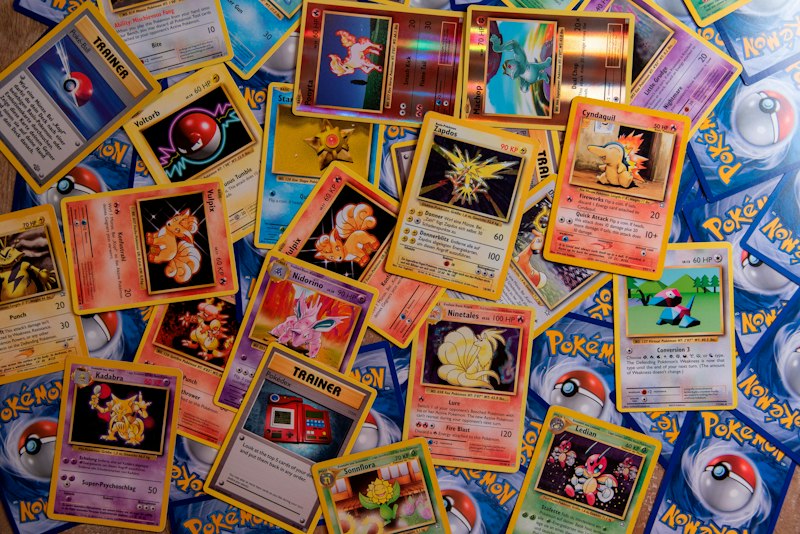
With the rising value of Pokémon cards, counterfeiting has become a significant problem. In 2024 alone, eBay removed over 500,000 listings for counterfeit trading cards. Here's how to protect yourself from fake cards.
Visual Inspection
Start by examining the card's overall appearance. Fake cards often have:
- Incorrect font sizes or styles — compare with a known authentic card side-by-side
- Poor color saturation — fakes often look washed out or overly vibrant
- Blurry or pixelated images — especially noticeable on the card artwork
- Incorrect card dimensions — authentic cards are exactly 63mm x 88mm
Card Stock and Texture
Authentic Pokémon cards use specific card stock that has a distinct feel. Hold the card between your fingers and gently bend it — authentic cards have a slight springiness. Fakes often feel thinner, stiffer, or have a waxy texture. Modern cards (Sword & Shield era and later) also have a subtle diagonal texture pattern that's hard to replicate.
Holographic Patterns
Examine the holographic foil under good lighting. Real cards have precise, consistent patterns that shift smoothly as you tilt the card. Fakes often have:
- Blurry or misaligned holo patterns
- Patterns that don't shift naturally with movement
- A "rainbow" effect that's too uniform
- Missing the characteristic "cosmos" pattern on modern holos
The Light Test
Hold the card up to a bright light. Authentic Pokémon cards allow a small amount of light to pass through, creating a faint glow. Fakes are often completely opaque or let through too much light. This is one of the most reliable tests for experienced collectors.
Back of the Card
The back design is often overlooked but is crucial for authentication. Check for:
- Correct blue coloration — the authentic blue is a specific shade of navy
- Sharp, clear Poké Ball design with crisp lines
- Proper copyright text at the bottom — font should match authentic cards
- The blue should have a slight texture, not be completely flat
When in Doubt, Get It Graded
If you're unsure about a card's authenticity, the safest option is to send it to a professional grading company. They have advanced equipment like microscopes and UV lights to detect sophisticated counterfeits. The $15-30 grading fee is worth the peace of mind for valuable cards.
🔍 Quick Check: Weigh your card on a precision scale. Authentic Pokémon cards weigh approximately 1.75 grams. Fakes are often lighter (1.5g) or heavier (2.0g+).