The Ultimate Guide to Pokémon Card Grading: What You Need to Know
Learn everything about PSA, BGS, and CGC grading standards.
Key Takeaway: Professional grading can multiply a card's value 5-10x, but it's only worth it for cards already valued at $50+ raw.
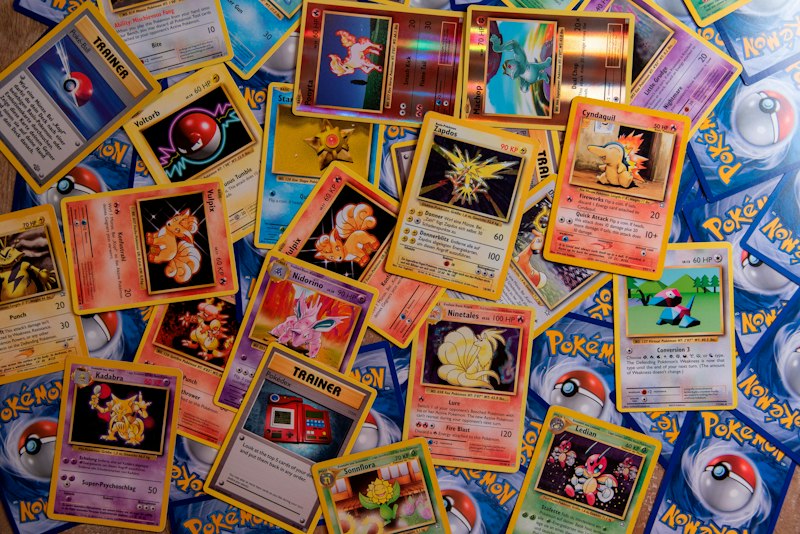
Pokémon card grading has become an essential part of the collecting hobby. Whether you're a seasoned collector or just starting out, understanding the grading process can significantly impact the value of your collection. In 2024 alone, the grading market processed over 10 million cards across PSA, BGS, and CGC.
What is Card Grading?
Card grading is the process of having a professional third-party service evaluate the condition and authenticity of your Pokémon cards. The three major grading companies are PSA (Professional Sports Authenticator), BGS (Beckett Grading Services), and CGC (Certified Guaranty Company). Each has its own loyal following and pricing structure.
PSA
Most recognized brand. Best resale value. $15-100 per card.
BGS
Sub-grades for each category. Black label is the holy grail. $20-75 per card.
CGC
Fastest turnaround. Pristine 10 is rare. $12-50 per card.
The Grading Scale
Most grading companies use a similar scale, typically ranging from 1 to 10. Here's what each grade means for your Pokémon cards:
| Grade | Label | Description |
|---|---|---|
| 10 | Gem Mint | Perfect card with no visible flaws — extremely rare, often less than 1% of submissions |
| 9 | Mint | Near perfect, with only minor imperfections visible under magnification |
| 8 | Near Mint-Mint | Slight wear visible upon close inspection, still excellent condition |
| 7 | Near Mint | Minor wear on corners or edges, still presents well |
| 6-4 | Excellent to Good | Noticeable wear, visible scratches, rounded corners |
| 3-1 | Fair to Poor | Heavy damage, creases, writing, or other significant defects |
Factors That Affect Grading
Professional graders evaluate four main factors, each scored individually before determining the final grade:
| Factor | Weight | What to Look For |
|---|---|---|
| Centering | 50% | How well the card art is positioned on the card. Even a 60/40 split can cost you a Gem Mint grade. |
| Corners | 20% | Sharpness and wear of the corners. White spots from wear are the most common issue. |
| Edges | 15% | Condition of the card's borders. Chipping and fraying are common on older cards. |
| Surface | 15% | Any scratches, stains, or print defects. Holo scratches are especially damaging to value. |
Is Grading Worth It?
Grading can significantly increase a card's value, especially for rare cards in high grades. A raw Charizard from Base Set might sell for $200, but a PSA 9 can fetch $3,000+ and a PSA 10 can exceed $20,000. However, it's not always cost-effective for common cards. Consider the potential value increase versus the grading fees before submitting your cards.
💡 Pro Tip: Always clean your cards gently with a microfiber cloth before submitting. Surface dust and fingerprints are the #1 reason cards get lower grades than expected.